Eight Hours for One Moment
Few places on Earth offer the chance to camp on drifting sea ice while waiting for polar bears that have only just emerged from their maternity dens.
Baffin Island is one of them.
Every expedition leaves you with memories, but every now and then there's one moment that stays with you forever. For me, it came after almost eight hours of waiting beside a towering iceberg in temperatures of around -30°C.
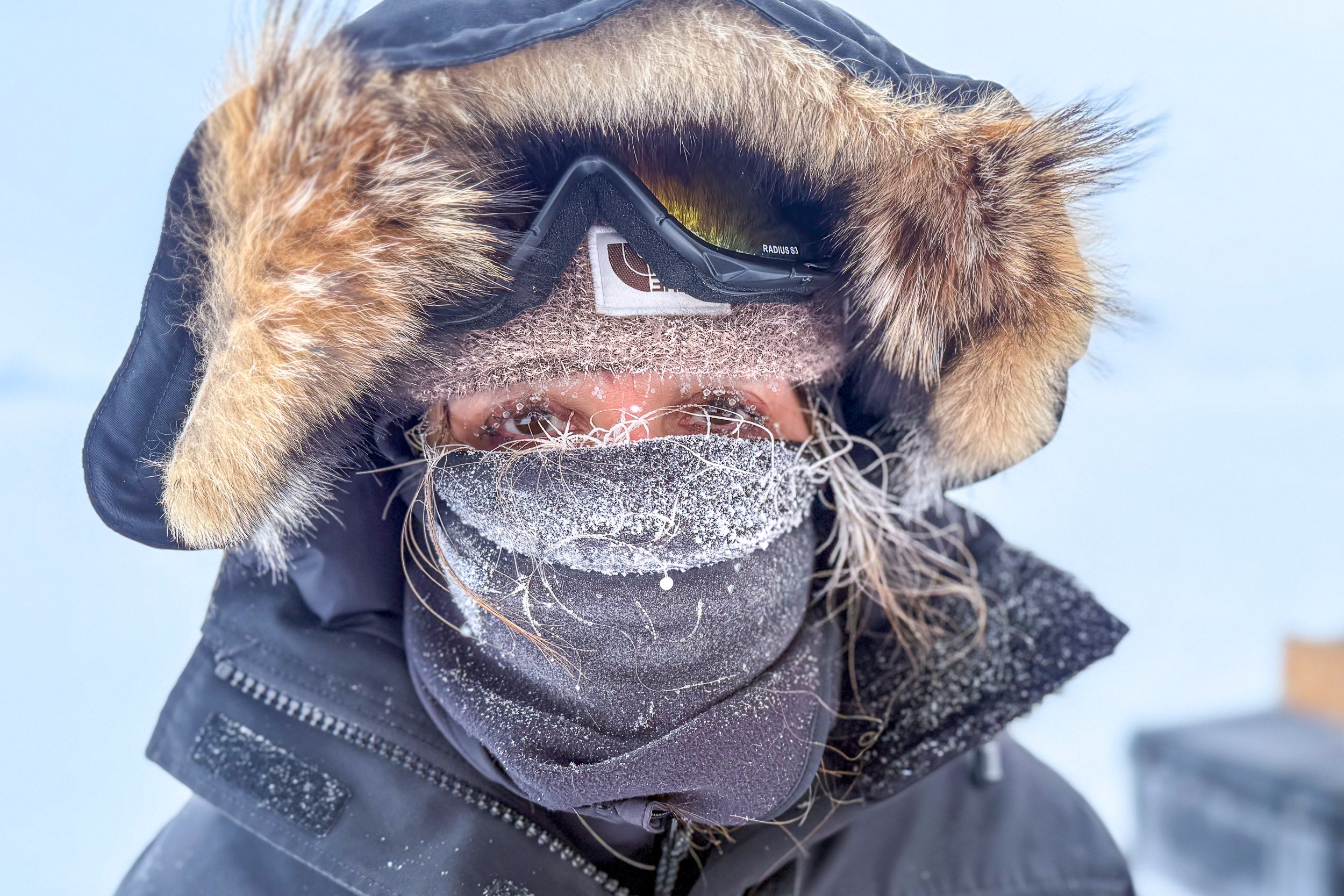
The first few days of the expedition were a shock. The cold wasn't just uncomfortable; it changed everything. Even opening a camera bag became painful. Simple tasks suddenly required planning, and every moment with bare hands felt painfully short.
The cold never became easy, but it became part of the experience. The Arctic has a way of stripping everything back to what really matters: patience, resilience, and the privilege of witnessing a place that still feels truly wild.
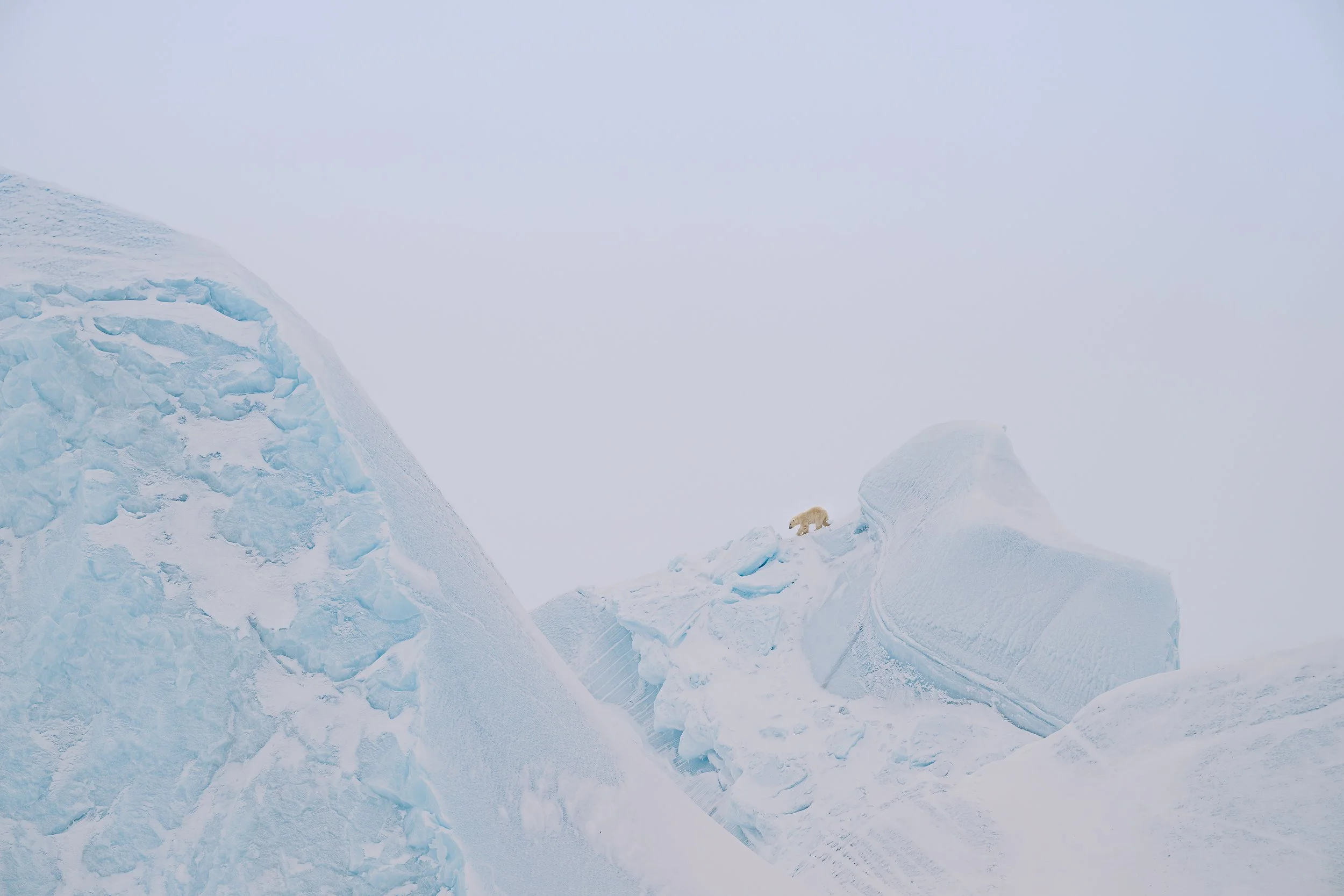
For almost eight hours, the polar bear rested on top of the iceberg, barely moving. It stood up only once, giving me just a few seconds to make a decision.
Rather than zooming in, I deliberately kept the bear small within the frame. I wanted the photograph to tell a story about scale rather than proximity.
The Arctic is often described as vast, but standing there made me realise just how overwhelming it really is. Even one of the world's largest predators can appear almost insignificant against the immensity of its own habitat.
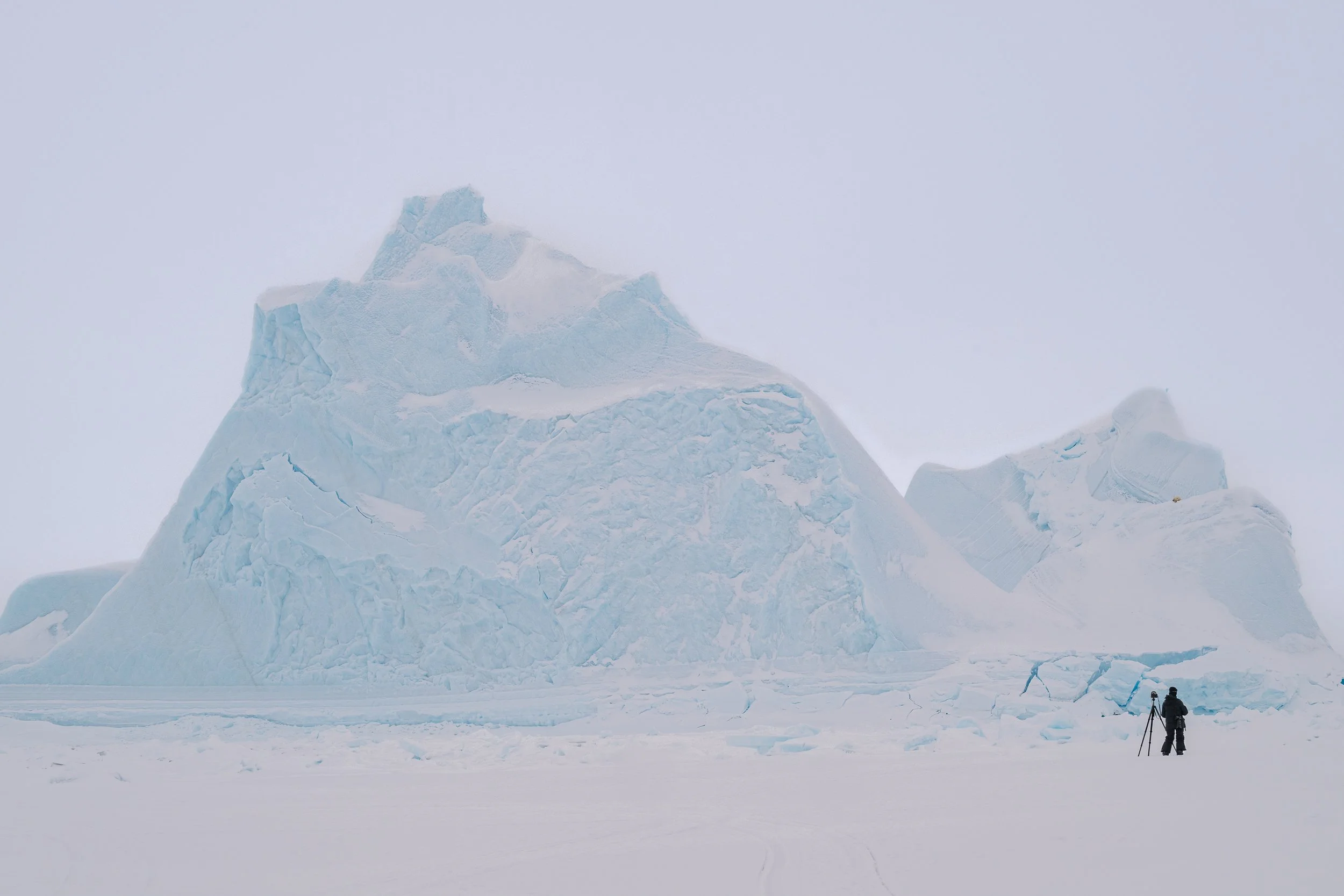
Looking back, I remember surprisingly little of the cold itself. What stayed with me was the silence, the endless ice, and the privilege of spending time in one of the last truly wild places on Earth.
One by One
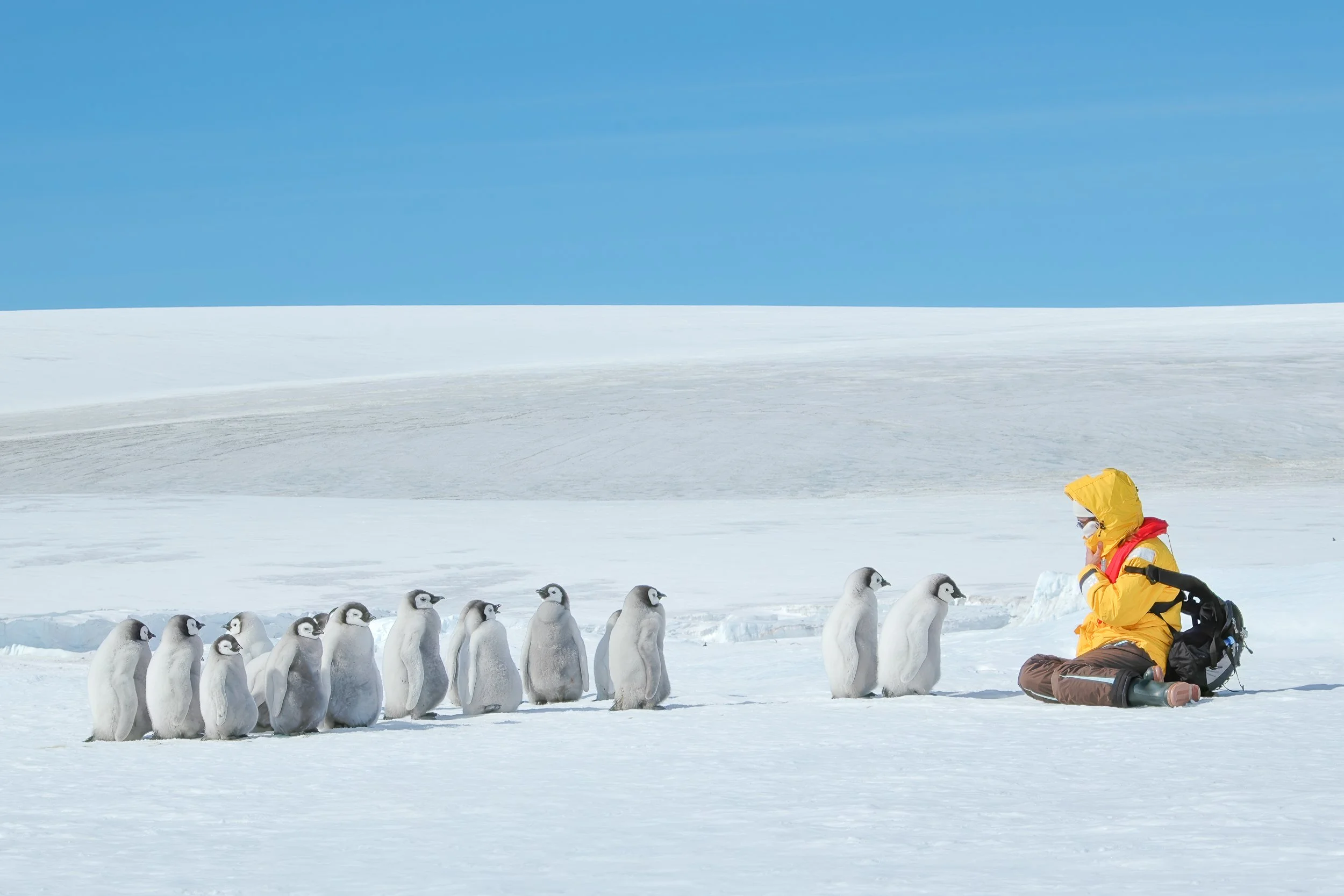
Some wildlife encounters happen because you wait. Others happen because the animals decide to come to you. Sitting quietly on the ice at Snow Hill Island, I became part of the landscape as a group of emperor penguin chicks slowly came closer.
At first, I hardly noticed them.
A small group of emperor penguin chicks stood in the distance, watching me with the same curiosity I felt towards them. Then one of them began walking towards me. It stopped just in front of me, looked at me for a few seconds, gently touched my jacket, and quietly walked back.
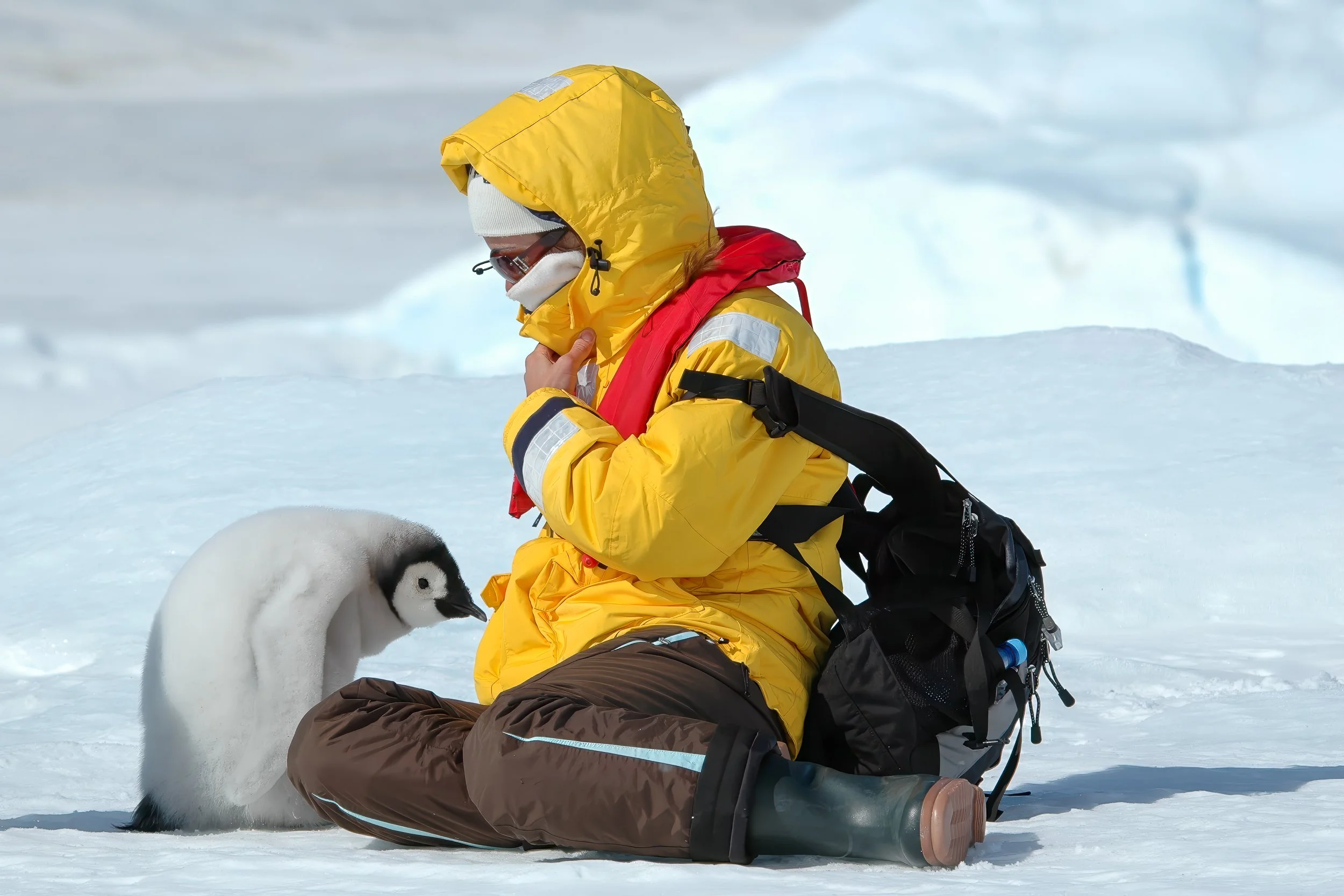
Moments later, another chick did exactly the same. Then another and another...
Before long, they had formed what almost looked like a queue. One by one, each chick approached me, paused for a moment, and then returned to the back of the group while the next one stepped forward.
My hands were freezing, but I didn't dare put them inside my pockets. I was afraid that even the smallest movement would break the quiet trust of the moment.
Some chicks gently brushed against my jacket or arm before making their way back to the others. Others simply stood in front of me for a few quiet seconds before returning to the line. It felt almost impossible to believe. There was no reason for them to come closer other than simple curiosity.
Those are the moments that stay with me the longest. Not because they make the best photographs, but because they remind me that the greatest privilege in wildlife photography isn't getting close to an animal. It's when an animal chooses, entirely on its own, to share a moment with you.
Six Nights for One Encounter
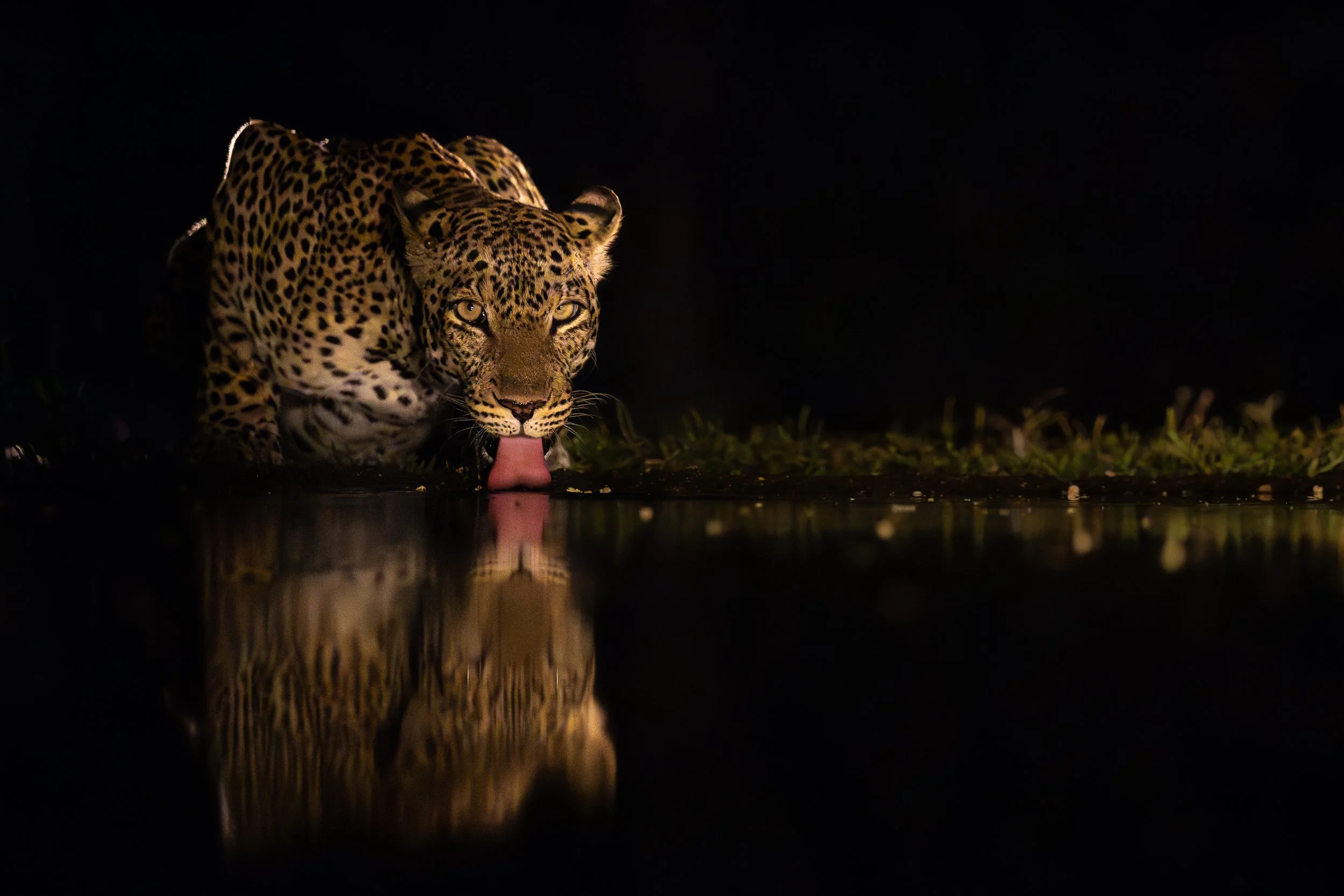
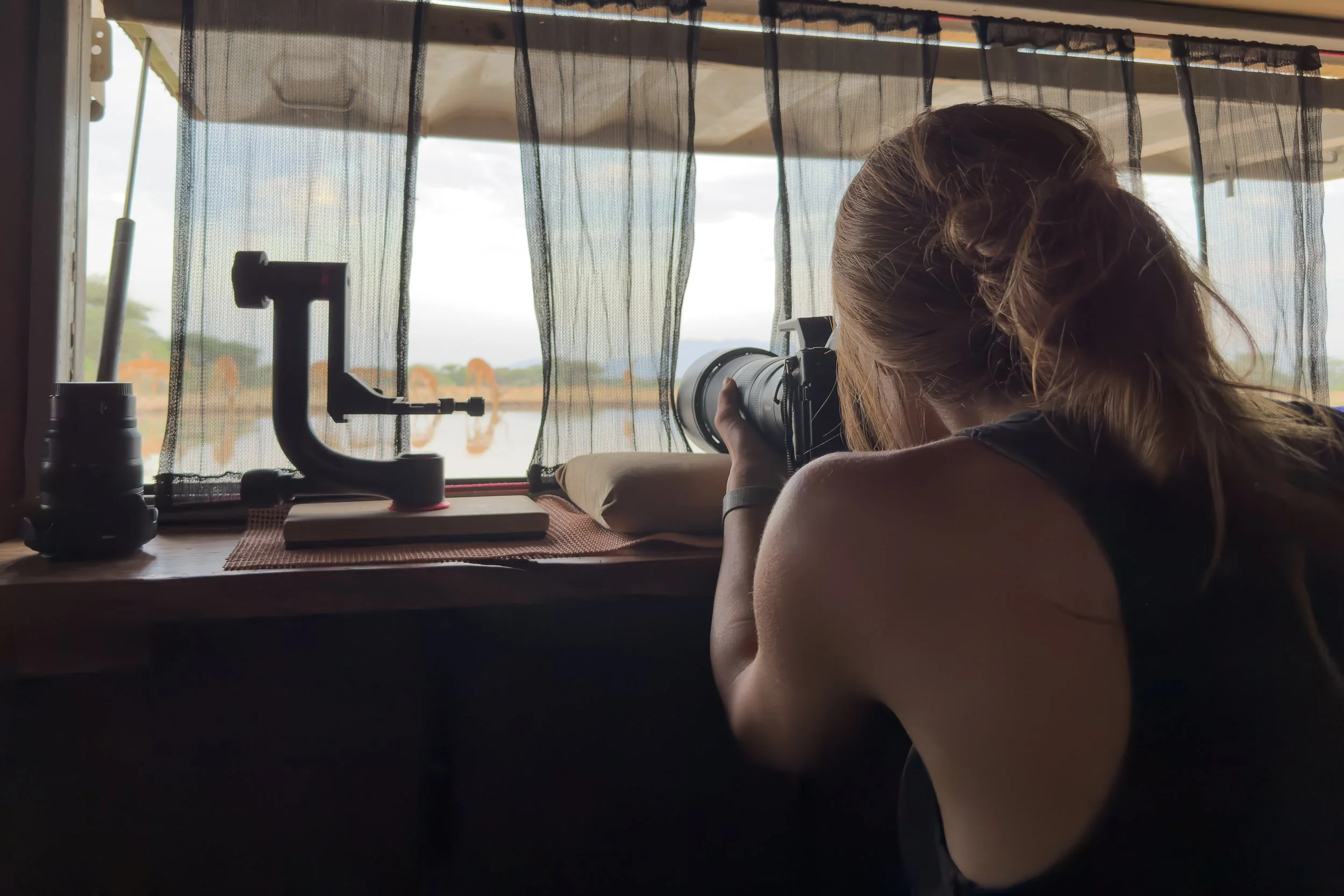
Some photographs happen in an instant. Yet this leopard photograph was only possible through six nights spent in underground hides overlooking small waterholes in Kenya.
The conditions should have been perfect. Instead, unexpected rain arrived during the driest time of the year. Water was suddenly everywhere, and the animals no longer needed to visit these particular waterholes.
Night after night, the waterholes remained quiet. The rain had changed everything. With water now scattered across the landscape, there was little reason for any animal to come here.
By the fifth night, I was fighting to stay awake. Then, without warning, a leopard silently emerged from the darkness. It paused at the water's edge, took only a few quick drinks, and suddenly looked up, startled by something I never saw.
Just as suddenly as it had appeared, it disappeared back into the darkness. Those few seconds were the reward for nights of patience, uncertainty, and waiting.
More Than Their Past
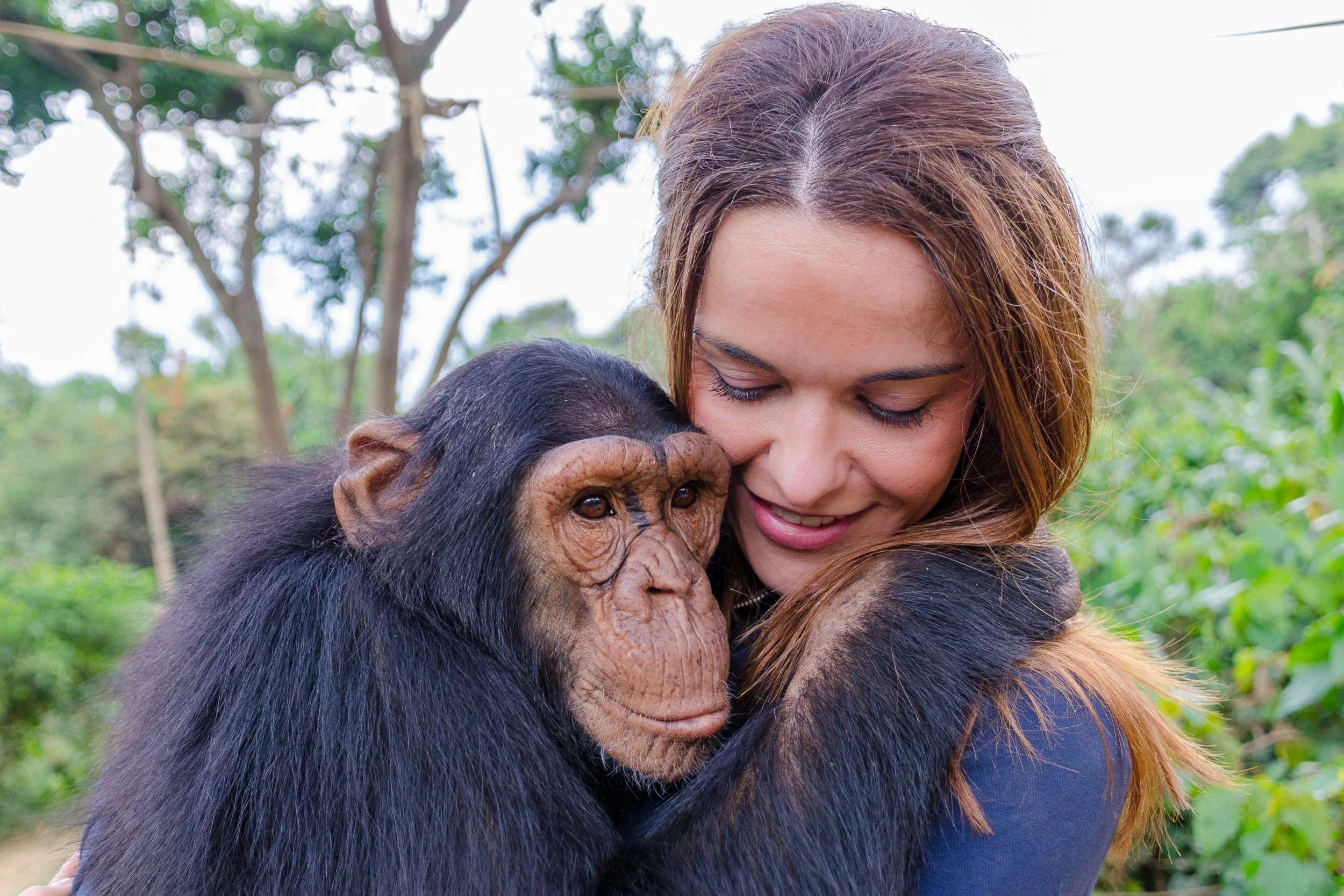
Some stories begin with loss. This one is about what can happen afterwards. Meeting rescued chimpanzees in Uganda wasn't about their past. It was about everything they had managed to overcome.
Before arriving in Uganda, I knew these chimpanzees had traumatic beginnings. Some had lost their families to poachers. Others had been rescued from the illegal wildlife trade. Their pasts were impossible to ignore. And yet, that wasn't what stayed with me.
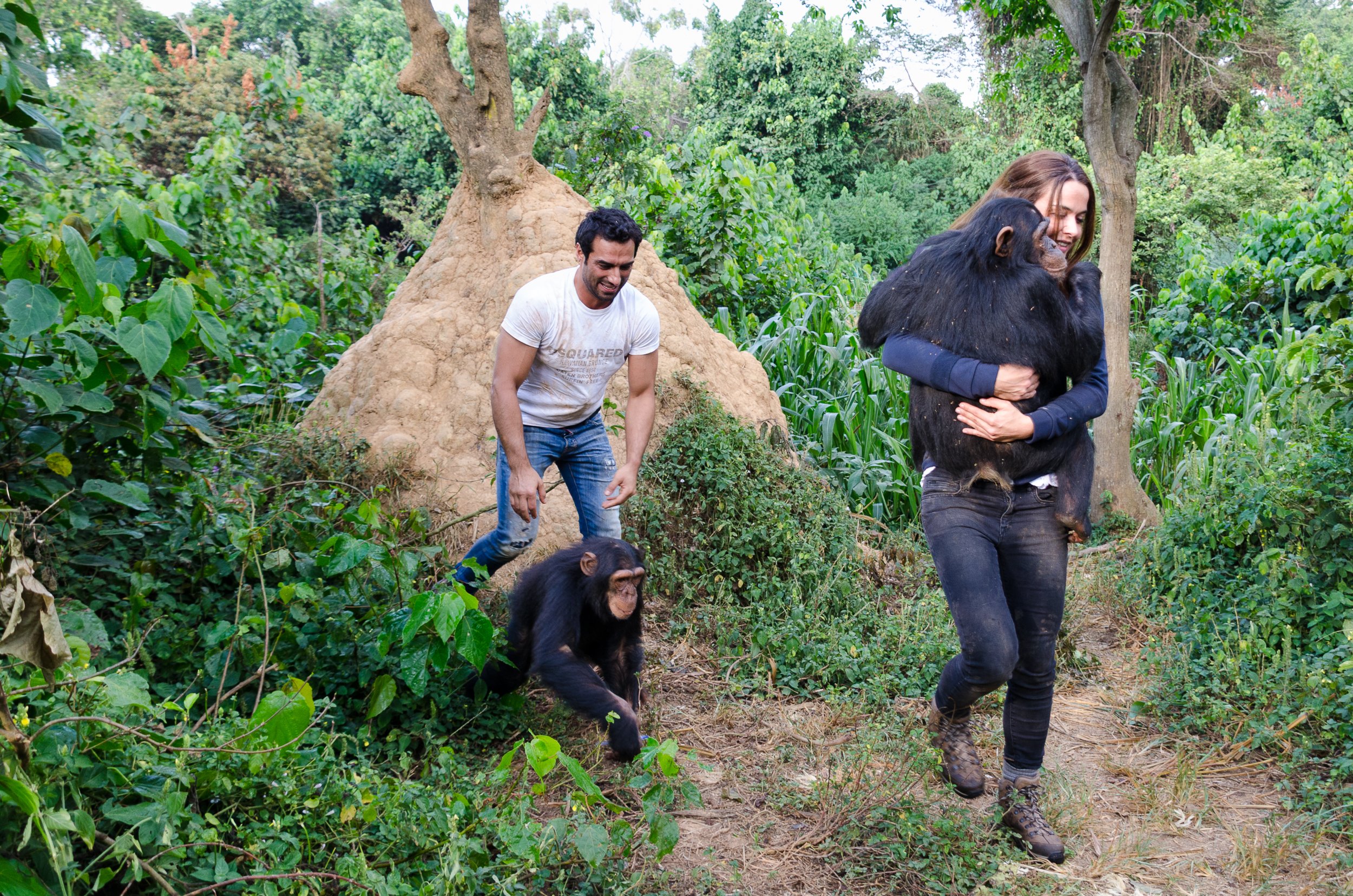
It was about everything they had managed to overcome. Watching them play, groom one another, curiously interact with us, and simply behave like chimpanzees again was both emotional and deeply hopeful. It was impossible not to wonder what they had experienced before they arrived here. But it was equally impossible not to admire how much of their natural behavior had returned.
One young chimpanzee in particular stayed with me. After such a traumatic start in life, seeing how open, curious, and gentle he had become was deeply moving. No rehabilitation program can replace a mother or return the life he should have had in the wild. But watching him today, it was impossible not to admire his resilience.
Their past will always be part of their story. It no longer defines who they are. Some wildlife encounters leave you speechless because of what you see.
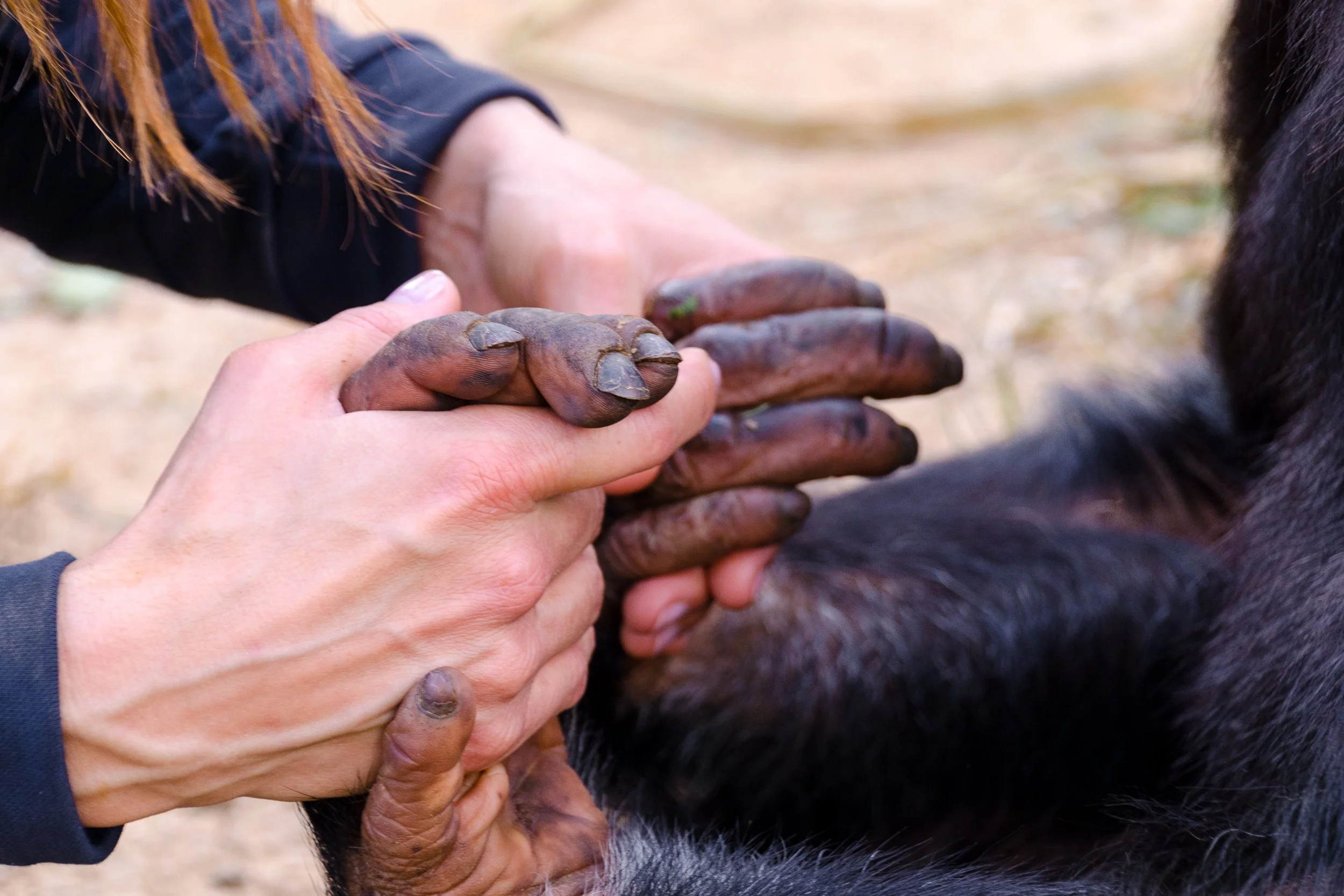
Others because they remind you how remarkably resilient nature can be when it's given a second chance.